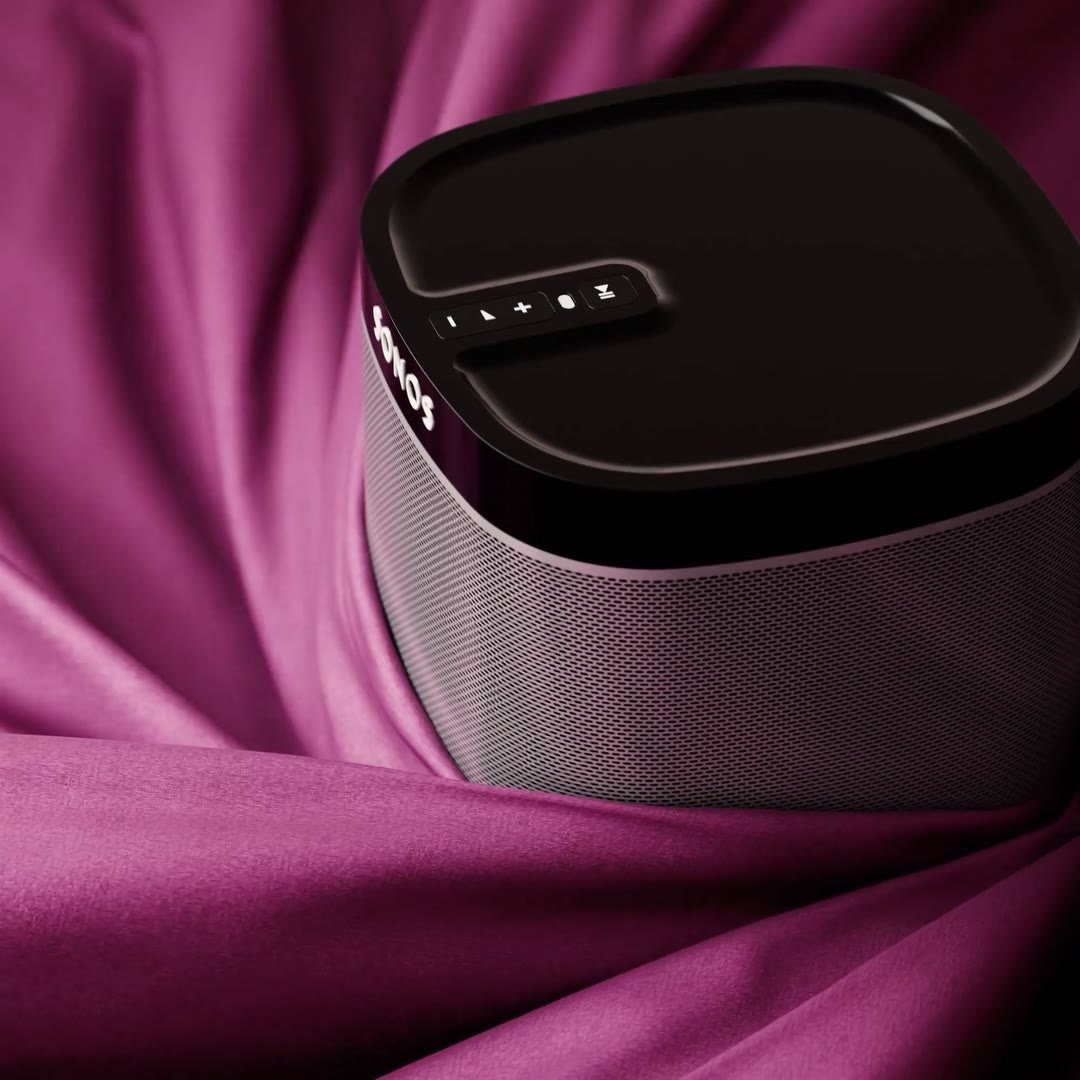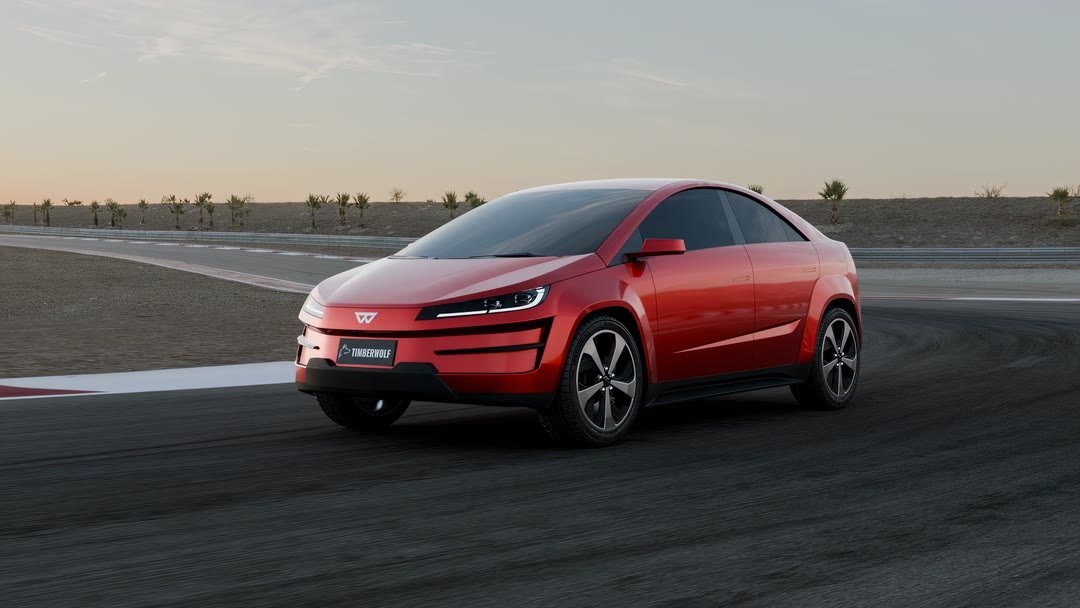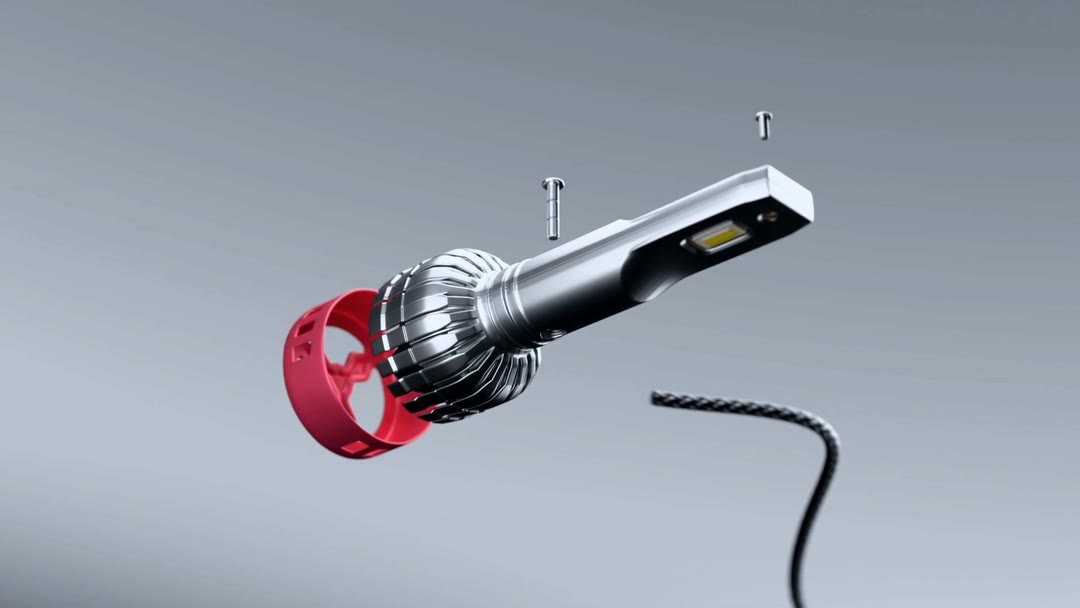
3D product animation is a video of your product made entirely in 3D software: the product is modeled from CAD or photos, given real materials, lit and animated, then rendered and edited with sound. It pays off when the product is not ready to film, when its best features are hard to film (insides, light, liquids, mechanisms), and when you need many colors, angles or formats from one setup.
What it is, in one paragraph
Instead of a camera crew, a studio and a finished sample, a 3D artist builds the product as a digital model, gives it the real materials (brushed aluminum, soft-touch plastic, glass, fabric), lights it like a photo studio would, and moves virtual cameras around it. The result is rendered frame by frame into a video that can look like a real shoot, or like something a real shoot could never capture: the product assembling itself, a cut through the inside, light passing through a lens.
The six types brands order most
- Hero or launch film. 15 to 60 seconds, cinematic, for the website header, the launch post and ads.
- Feature film. Shows how something works: a mechanism, airflow, a hidden part. The GoodLiving laundry rack teaser shows fans joining and air moving, which no camera could film.
- Exploded view and assembly. Parts separate and come back together. Common for electronics, tools and anything with an install step.
- Turntable or 360. A clean rotation for product pages and marketplaces.
- 3D reels. Short 9:16 clips for Instagram, TikTok and ads, usually 6 to 15 seconds.
- CGI stills. Photo-real images from the same scene, used for listings, banners and ads.
How a product film is made, step by step
- Brief. What the film must do, where it will run, length, references and the features to show.
- Model. Built from CAD, photos or drawings. Accuracy here decides whether the product looks right.
- Look development and style frame. Materials, lighting and one finished frame. This is the moment to approve the look, before any animation is paid for.
- Animatic. A rough version of the camera moves and timing.
- Animation and simulation. Final motion, plus liquids, cloth or particles if needed.
- Render. Every frame is calculated at full quality, up to 4K.
- Edit and sound. Cut, color, text, sound design and music.
- Delivery. The main film plus the cuts you need: 16:9, 9:16, 1:1 and stills.
I use Blender for modeling, lighting and animation, Houdini for heavier simulation, and After Effects for motion graphics and the final edit.
When 3D is worth it
- The product is not manufactured yet, or you only have a prototype.
- The best features are inside the product or invisible: airflow, light output, a mechanism, layers of a mattress.
- You sell many colors or variants and need them all to match.
- You need lots of content: once the model exists, new angles, reels and stills are fast.
- The product is reflective or small and hard to shoot well: watches, jewelry, wheels, electronics.
When filming is the better choice
If the story is people using the product in real life, a customer testimonial, or a founder talking to camera, film it. 3D shows the product better than anything; it is not the best way to show a real person. Many launches mix both: real footage for the human moments and 3D for the product shots. There is a full comparison in 3D animation vs live action.
Frequently asked questions
What is the difference between 3D product animation and a 3D render?
A render is one still image. An animation is a sequence of rendered frames with camera and product motion, edited with sound into a video. Both come from the same 3D scene.
What files do I need to start a 3D product animation?
CAD files are best (STEP, STL, OBJ or FBX). Clear photos from several angles with measurements also work. For a product that does not exist yet, drawings or sketches are enough to start.
Can a 3D animation look completely real?
Yes. With accurate materials and lighting, a product film can be hard to tell from a real shoot. It can also show things a camera cannot, like the inside of the product.
What software is used for 3D product animation?
Common tools are Blender, Cinema 4D, 3ds Max and Houdini for 3D, and After Effects or Premiere for the edit. I work in Blender, Houdini and After Effects.
How long should a 3D product video be?
15 to 30 seconds for ads and launch posts, 30 to 60 seconds for a website hero film, and 6 to 15 seconds for reels.

CG artist and 3D designer. I make product films, launch videos, 3D reels and motion graphics for brands like SMARTBOMB, Technogel, Tidy Cosmos and KhanOne. Top Rated on Upwork with a 4.9 rating and 100 percent Job Success.
Have a product to launch?
A 30-minute video call. You show me the product, I bring ideas, a plan and a price. No pitch until you ask for one.