Choose 3D when the product is not ready, when its key features are inside or invisible, when it is reflective or small, or when you need many variants and formats from one setup. Choose live action when the story is about people, places and real use. Many brands do both: real footage for the human moments, 3D for the product shots.
Side by side
| 3D animation | Live action | |
|---|---|---|
| Needs a finished product | No, CAD or photos are enough | Yes, a perfect sample |
| Shows the inside or how it works | Yes, cutaways and exploded views | Hard, often impossible |
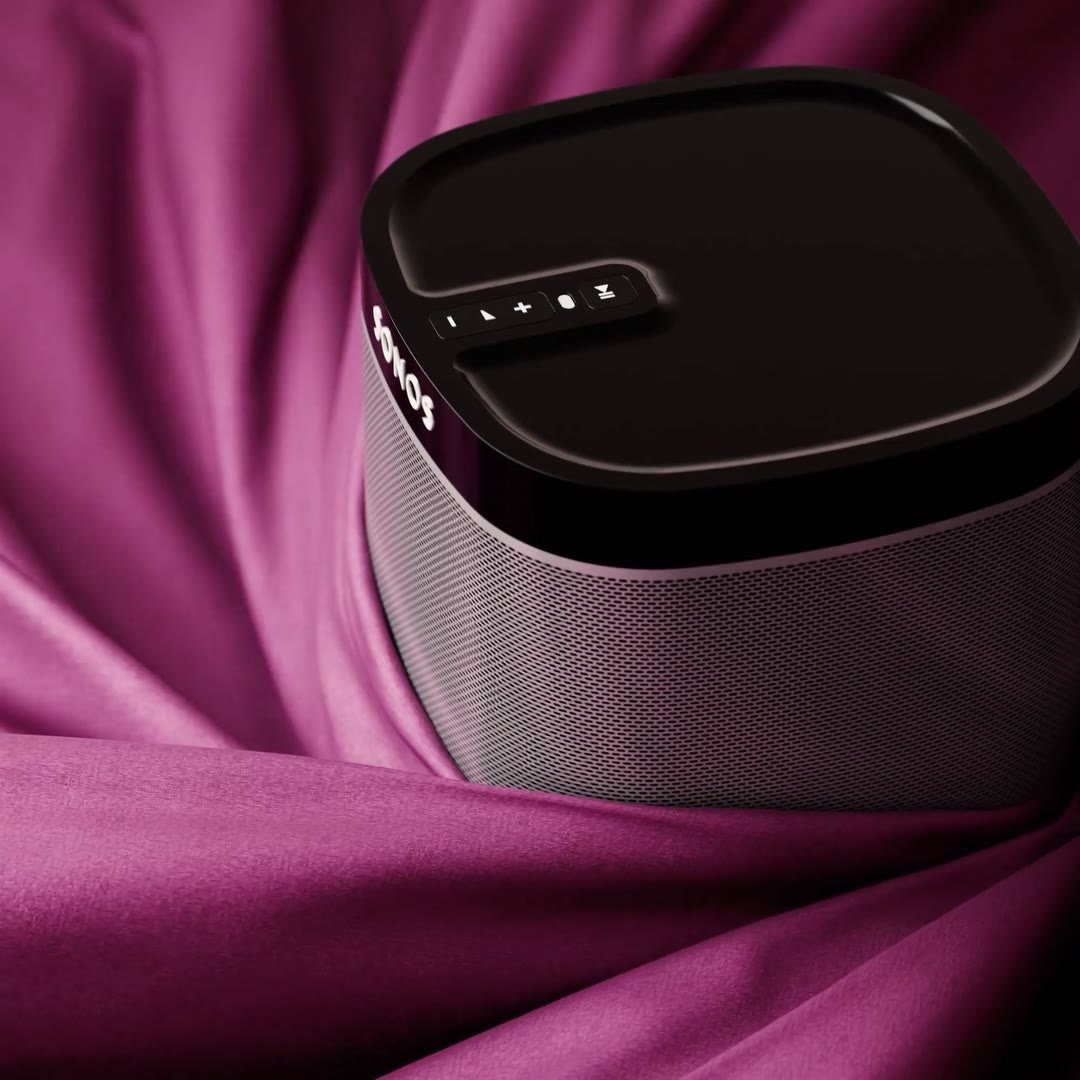
| Reflective, tiny or glass products | Full control of every reflection | Difficult, needs a specialist |
| Changes after the shoot | Change the scene and render again | Often a reshoot |
| New colors and variants | Swap the material | New samples and a new shoot |
| Extra formats (9:16, stills) | Render the same scene again | Must be planned on set |
| Real people and emotion | Possible but costly | Natural strength |
| Location and lifestyle | Possible, takes time | Natural strength |
When 3D wins
- The launch is before production, so there is no sample to film.
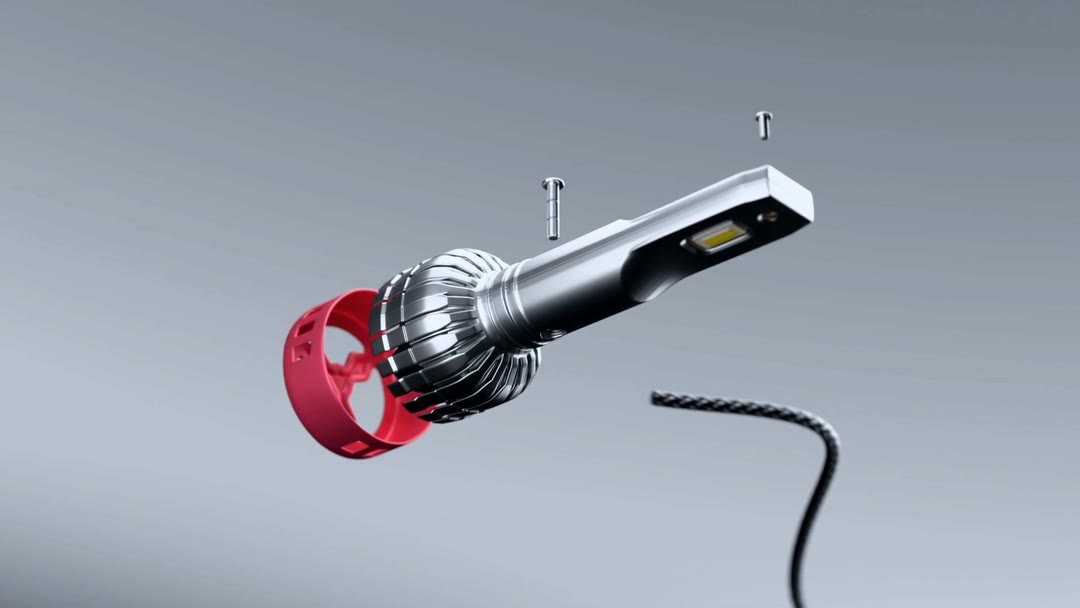
- The selling point is invisible: airflow, light output, cooling, layers, a mechanism.
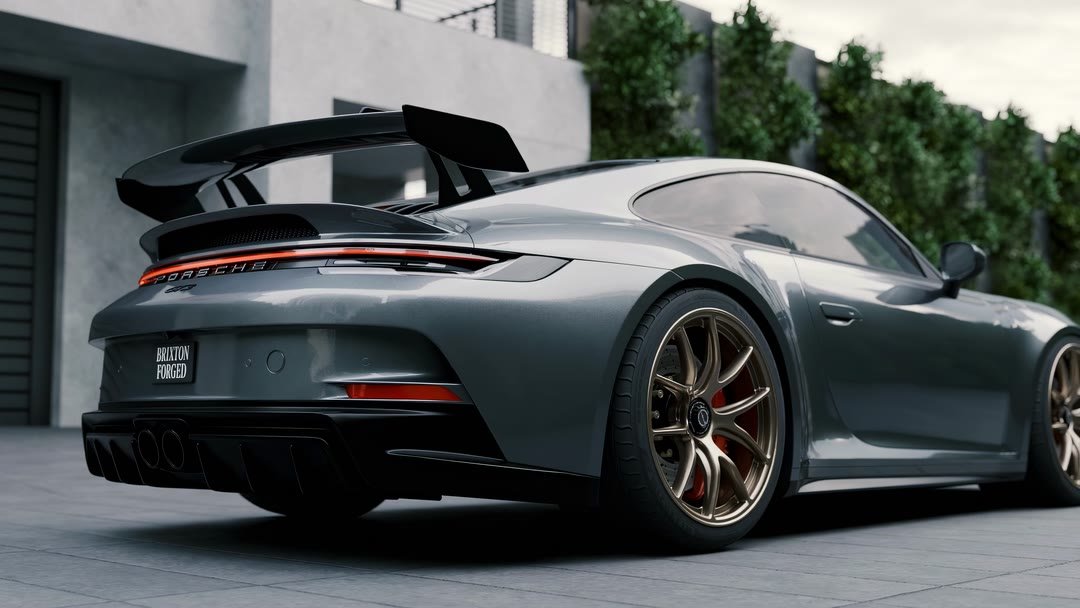
- The product is a watch, wheel, bulb, bottle or anything that reflects the whole studio.
- You sell in many colors and want every one to match.
- You will need new content every month from the same product.
The SMARTBOMB LED bulb film is a good example: the beam pattern and the cooling inside the bulb are the story, and a camera cannot show either.
When live action wins
- The story is a person: a founder, a customer, a creator using it.
- The product is food, beauty or fashion on a real body, where texture on skin matters.
- You need authenticity more than polish, like user generated content.
The mix most brands end up with
A common launch uses live action for people and places, then cuts to 3D for the product reveal and feature shots. The 3D shots stay perfect and match across every ad, and the real footage carries the emotion. If you have footage already, 3D shots can be cut into it to match the color and lighting.
How to decide in two questions
- Is the product the hero, or the person? Product hero points to 3D. Person hero points to live action.
- Do you have a perfect sample today? If not, 3D is the only way to be ready on time.
Not sure? Book a call and we can decide on the call, with a price for either route.
Frequently asked questions
Is 3D product animation cheaper than a live action shoot?
For product-only films it is often similar or cheaper, and much cheaper to change later. For anything with actors and locations, live action is usually cheaper.
Can 3D animation look as real as video?
Yes, for products. With accurate materials and lighting, 3D product films are often indistinguishable from studio footage.
Can you mix 3D and real footage in one video?
Yes. 3D product shots are often cut into live footage, matched for color, light and camera movement.
Which is better for Amazon and product pages?
3D, in most cases. Clean renders, turntables and feature loops show the product exactly and match across every variant.
Which is faster?
3D, when the product is not available or the shoot needs special gear. Live action can be faster when a simple sample and location are ready.

CG artist and 3D designer. I make product films, launch videos, 3D reels and motion graphics for brands like SMARTBOMB, Technogel, Tidy Cosmos and KhanOne. Top Rated on Upwork with a 4.9 rating and 100 percent Job Success.
Have a product to launch?
A 30-minute video call. You show me the product, I bring ideas, a plan and a price. No pitch until you ask for one.